Become an Airline Pilot
- ✓Become an airline pilot, full-time
- ✓No previous aviation experience required
- ✓100% in English, full immersion
- ✓Exam fees included
Need more information?
📞 +33 1 89 31 65 0718 months
Intensive course
12 students
Per intake
200 hrs
Of flying
Overview
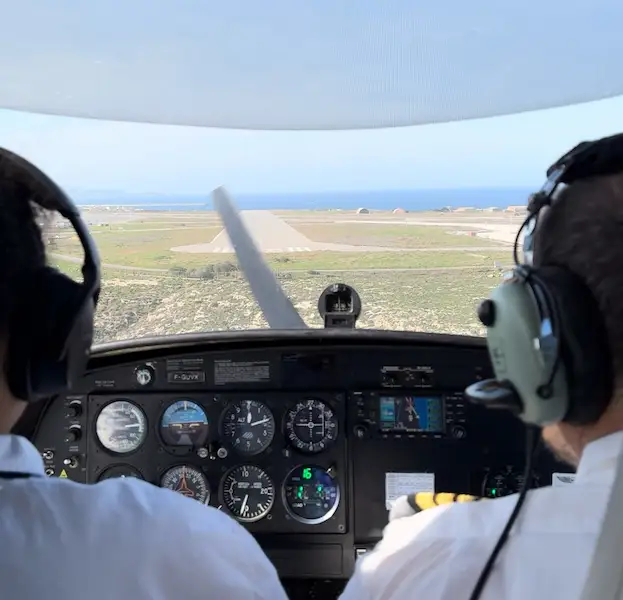
No experience required
You need no previous experience to start. From the first few days our students are at the controls, learning the basics of flying.
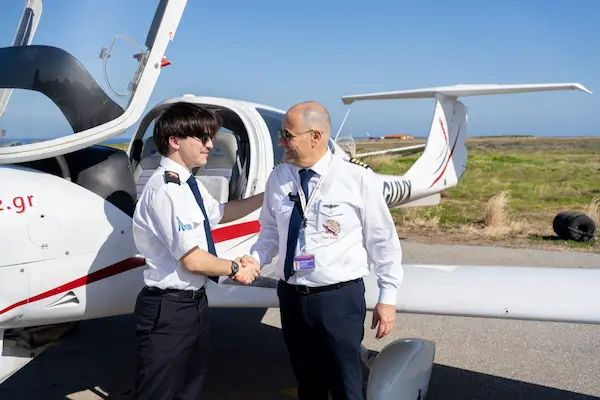
Learn English while you fly
You do not need to be fluent to begin: immersion in an international environment is the best way to progress quickly.
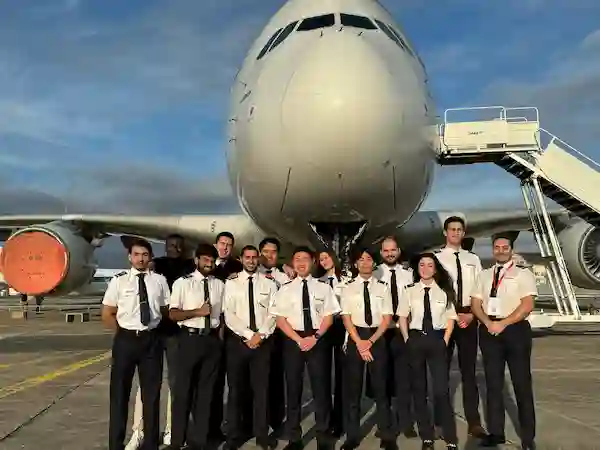
An intensive 18-month course
In just 18 months, our intensive programme prepares you to become a professional pilot and enter the job market quickly.
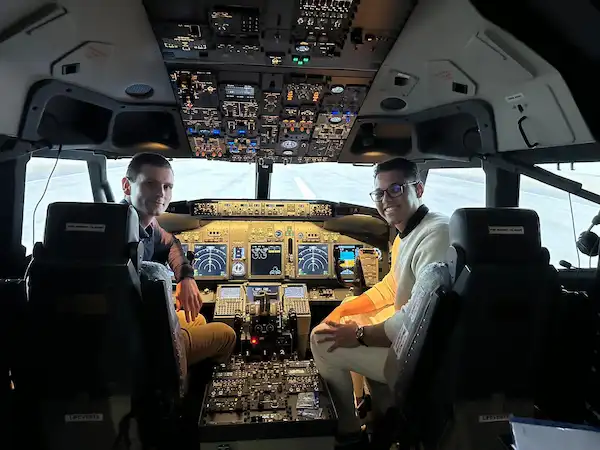
Preparation for airline selection
Our programme includes rigorous preparation for the selection processes of any airline.
Full syllabus
Flight hours: 150
Theory: 755 hours
- PPL theory and flight training
- ATPL theory
- Night rating
- Hour building
Flight hours: 50
Theory: 13 hours
Simulator: 38 hours
- CPL training (Commercial Pilot Licence)
- Instrument rating (IR)
- Multi-engine rating (ME)
- Advanced UPRT training
Theory: 25 to 100 hours
Simulator: 20 to 50 hours (depending on the option)
- MCC (Multi-Crew Cooperation)
- APS MCC (Multi-Crew Cooperation to airline standards)
- MCC + type rating on a specific aircraft, plus an airline interview
Course totals, excluding options
Indicative totals, subject to how training progresses:
- Estimated total flight time: 200 hours
- Estimated total simulator time: 38 hours
- Estimated total theory time (excluding briefings): 768 hours
Our students also benefit from the career placement programme.
Individual support from the moment the course ends. At ESA, our programme guides every student into their first professional job, with tailored mentoring and advanced training.
The course at a glance
- Private Pilot Licence
- Hour building
- ATPL theory
- Commercial Pilot Licence
- IR / ME rating
- UPRT Advanced
- MCC
- or MCC-APS
- or type rating + airline interview
about 14 months
Initial phase
- Private Pilot Licence
- Hour building
- ATPL theory
about 4 months
Professional phase
- Commercial Pilot Licence
- IR / ME rating
- UPRT Advanced
1 to 3 months
Advanced phase (optional)
- MCC
- or MCC-APS
- or type rating + airline interview
- Airline pilot
Where does the training take place?
Thanks to our exclusive partner, your entire course takes place on the beautiful island of Crete, in Greece. The weather and the international setting are ideal for training.
You will also live five minutes from the airport, in our private residence reserved for students. The setting is built around the course, so the schedule is kept.
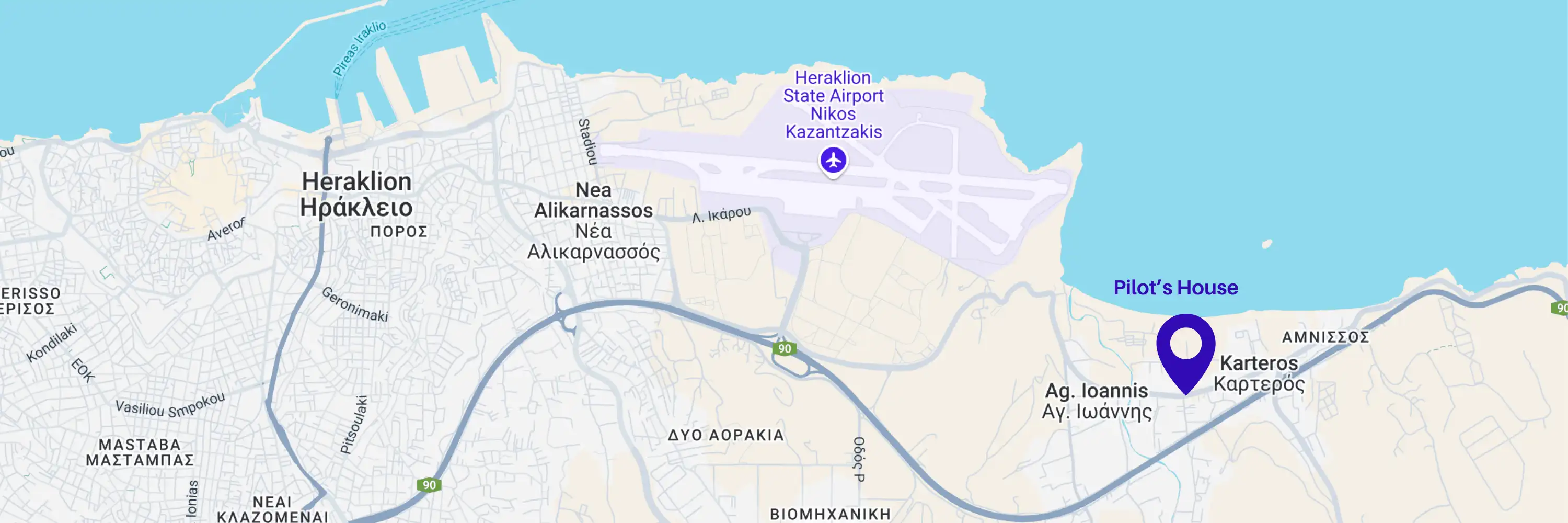
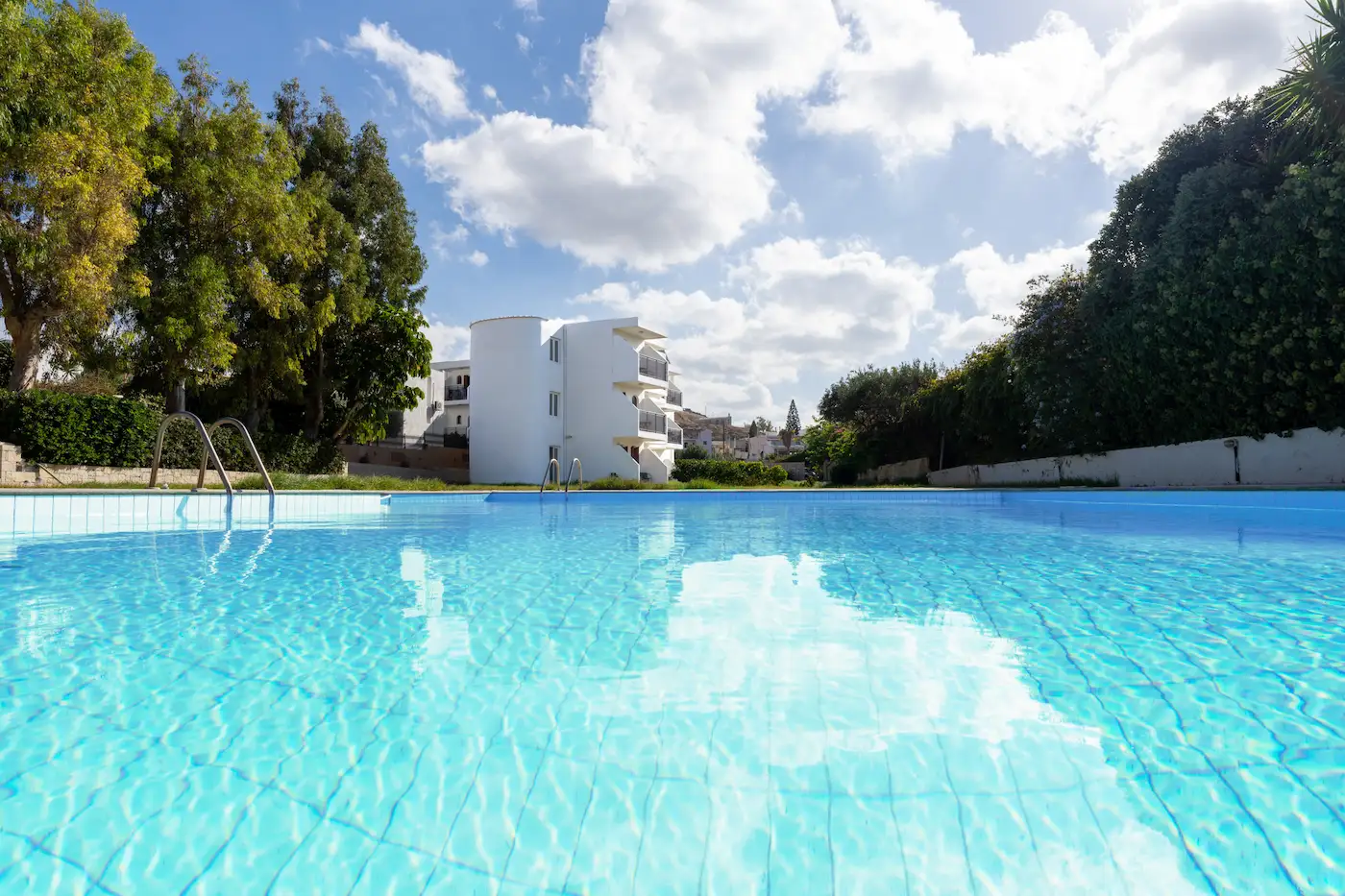
Discover the Pilot's House
Your home for the whole course, five minutes from Heraklion airport.
Discover the residence→How to apply
Submit your application
Apply through our dedicated portal for a streamlined admissions process.Your application is reviewed
Once your file is complete and the multiple-choice test taken, you get an answer within 48 hours.Interview with the selection panel
Attend your video interview with our selection panel.Your seat is confirmed
Congratulations, you have been accepted onto the course.Applying to one of our courses is both straightforward and personal:
Explore our courses, read the brochure for the full detail and, if you wish, book a place at one of our weekly information sessions.
Submit your application through our dedicated portal: the administrative form, the maths and physics test, and a technical interview.
Once your application is approved and your contract signed, you receive your welcome pack setting out your induction schedule with the new intake.
Need help? Got questions?
Talk directly to our team at a weekly online information session. We answer everything about the course, funding and the next intakes.
Free · no commitment · takes 30 seconds
Next intakes
Our classes are capped at 12 students. Reserve your seat now for the intake that suits you.
September
Intake 2026
Our standard autumn intake. Every seat on this session has been taken.
November
Intake 2026
Onboarding for the new intake has started. A few seats are still available, so do not wait too long.
March
Intake 2027
Well suited to students changing career or direction. Applications open early.
Why choose ESA?
ESA is known for its innovative programmes and the quality of its training. With expertise in both teaching and recruitment, we prepare students to excel in airline selection.
Our method
Training for excellence takes an individual approach, taught by working professionals, in a setting that helps young people grow up. That is why our classes are capped at 12 students and our flying is done at an international commercial airport. The whole course takes place abroad, so students become fully independent adults and use English intensively, every day. In our experience this is the most effective way to give students what they need for a successful start to their career.
Our commitment
We make a point of giving every student individual attention, and we surround ourselves with professionals who genuinely care. We do everything we can to help our students become competent professional pilots, and responsible, happy people.
What our students say
Our students talk about their best moment, why they wanted to fly, and why they chose ESA.
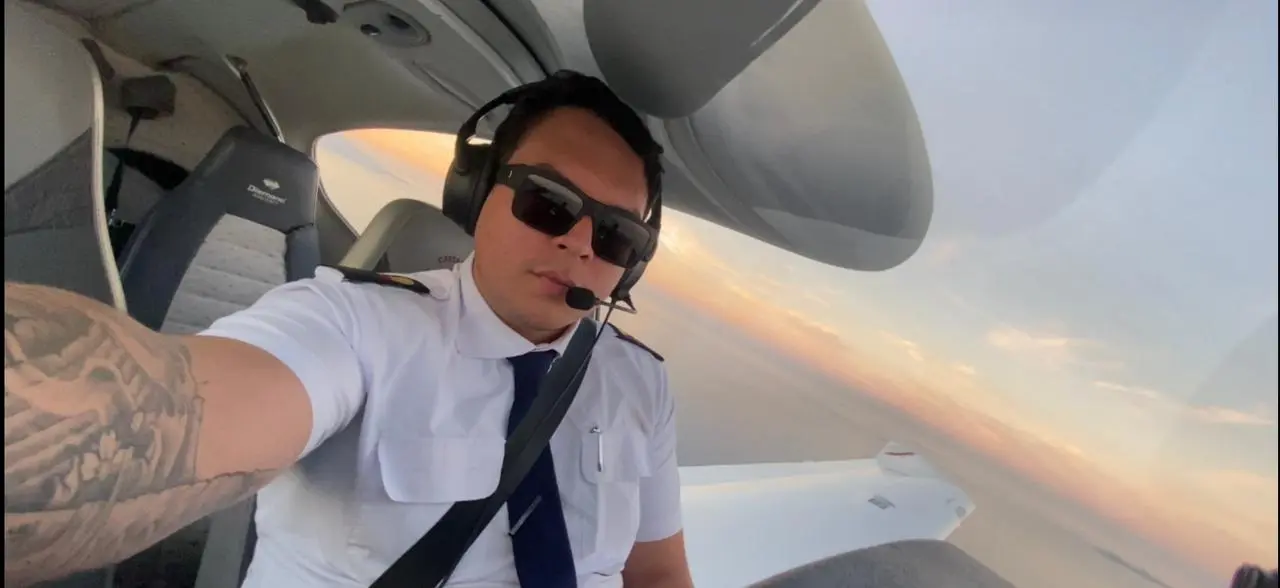
Mataihau.K
What first drew me to ESA was the help with the application itself: the team and the representatives are genuinely there to advise you. Then there are the fees, which are very reasonable. Once in Greece, the accommodation was incredible; the team gave us everything we needed and kept asking for our feedback on how to improve things.
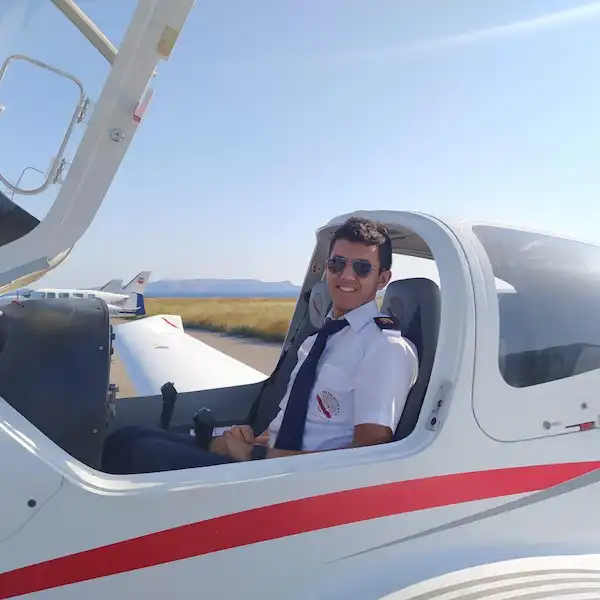
Nadji.A
After about twenty hours of flying with my instructor, I thought the moment was still a long way off. Being told at sunrise that I was going solo made the experience unforgettable. It affected me so much that I did not want to leave the airfield that day.
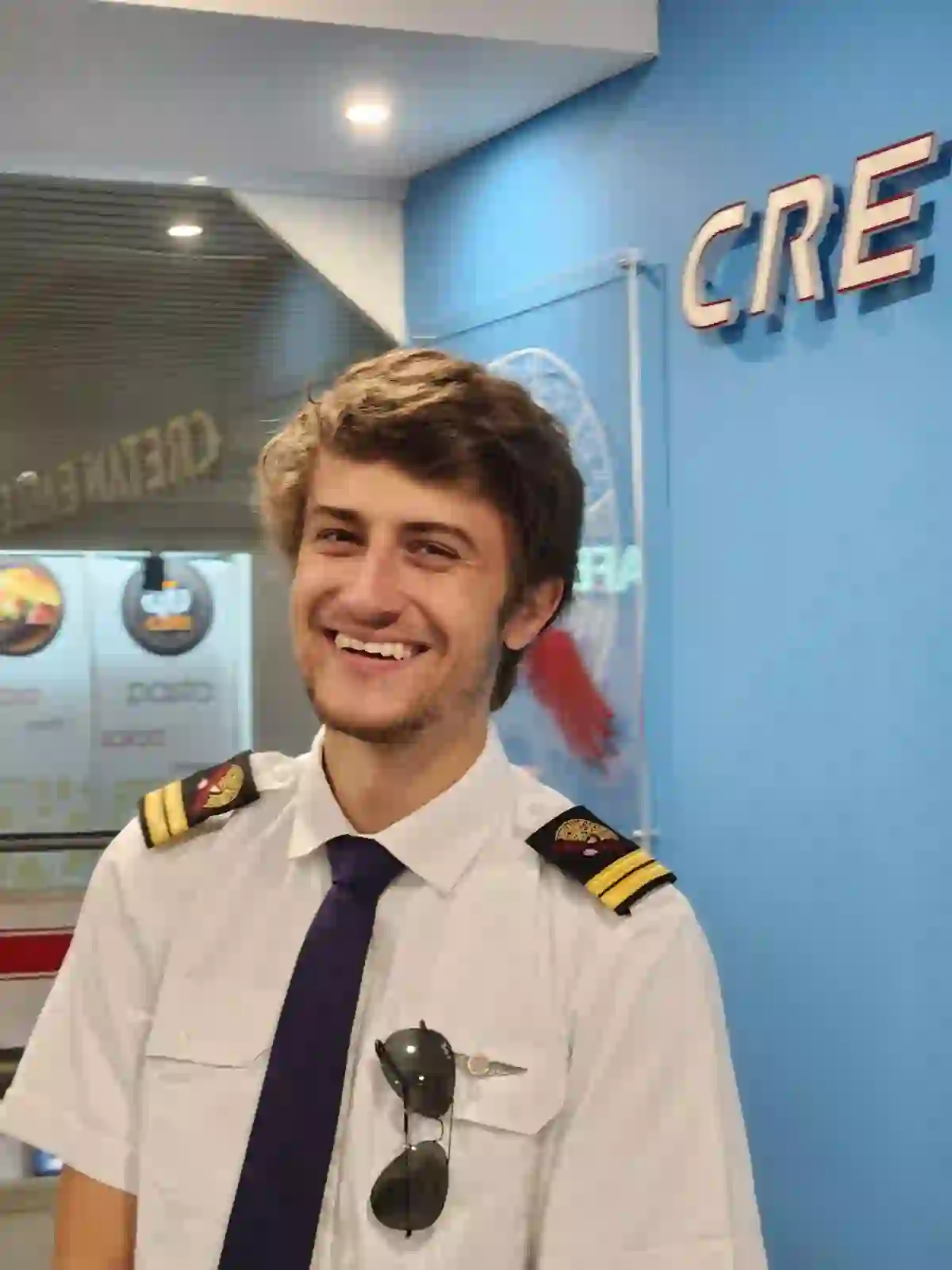
Corentin.D
The professional environment at Heraklion airport is central to becoming a professional. Being surrounded by airliners throughout the whole of the flying phase is an enormous source of motivation.
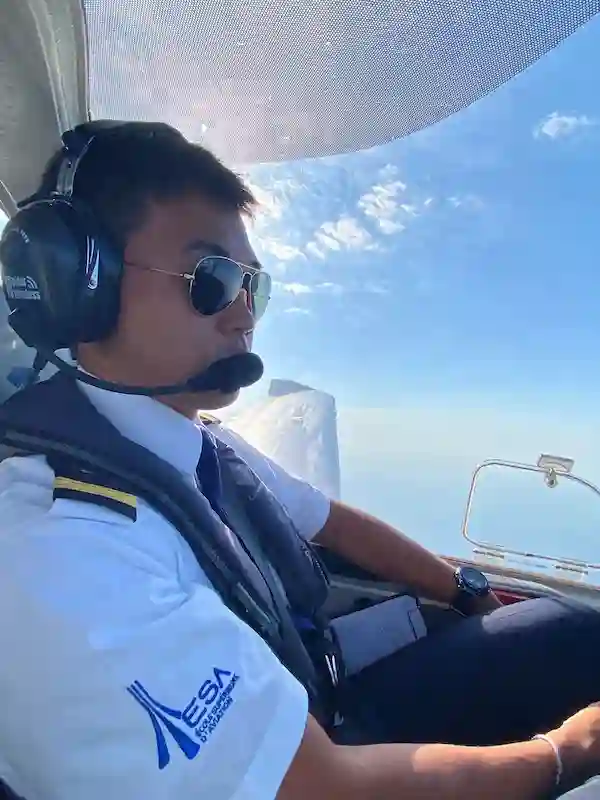
Tomoki.H
From a very young age I dreamed of working up there. But by the time I reached sixth form I had no idea where to start, other than going through a preparatory class and then ENAC. After several interviews, I was accepted at ESA. Since then, with the help of all the staff, I have been building my flying career step by step, and I can see the results day after day. The instructors, on the ground and in the air, are friendly, experienced, professional and genuinely passionate, which makes me want to join them all the more.
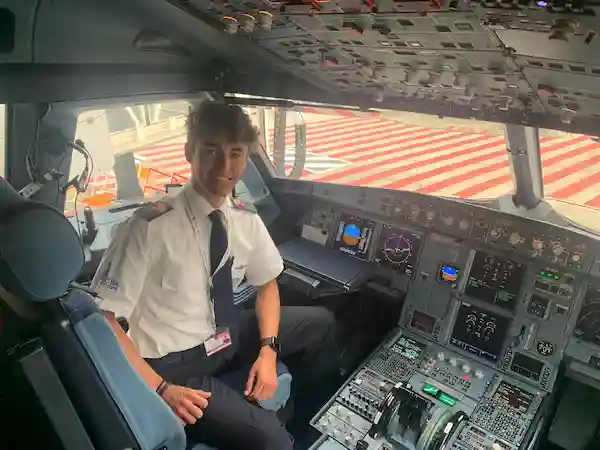
Tristan.L
At ESA we get to fly abroad on new-generation aircraft, which means learning how international airports work and sharpening our aviation English. A defining moment for me was my first trip to Greece, flying abroad for the first time out of a large international airport like Heraklion. It confirmed that I had made the right choice, and that I really do want to be an airline pilot.
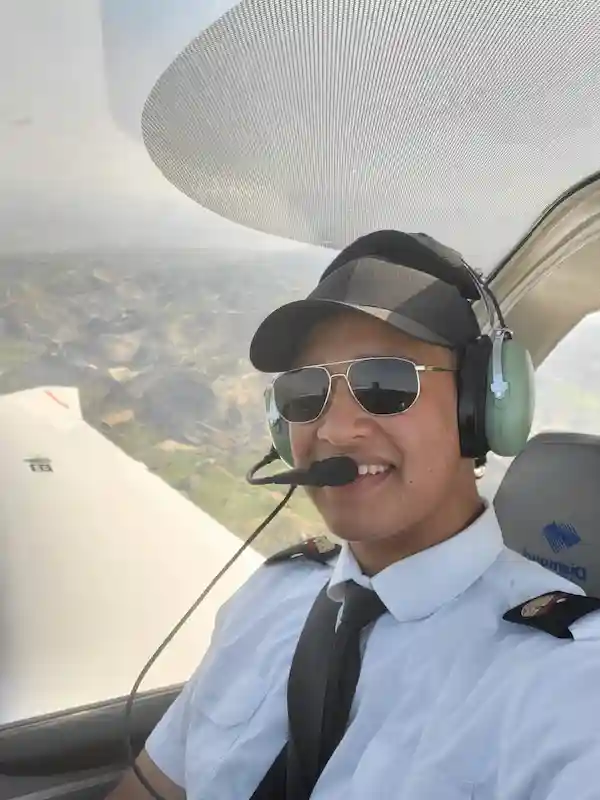
Ismail.T
What we experienced in Crete truly confirmed my wish to become a pilot. The adrenaline of every flight, the discipline and the teamwork are, for me, why each flight is unique and a genuine pleasure. All of it was made possible by the teams at ESA and Cretan Eagle Aviation. The people I met along the way, instructors, fellow students, locals, taught me an enormous amount about aviation.
How to become an airline pilot
PPL, ATPL theory, CPL, IR, ME, UPRT, MCC: every stage of the route explained step by step, with what EASA regulations require at each one.
Read the guide →A question about this programme?
Admission, medical certificate, funding, life in Crete, joining an airline: every answer is gathered in one place.
Read the FAQBook your place at our next information session
Réservation 30 secondes
Formation Bachelor Pilote
Devenir Pilote en continuant ses études
DécouvrirThe best conditions to train in
Discover the campuses and our residence in Heraklion, Crete (Greece).
Découvrir nos Campus